Mold usually starts because of moisture—leaks, humidity, flooding, or hidden water inside walls and floors. If the moisture source isn’t addressed, mold can keep returning even after surface cleaning. Magnificent Restoration provides professional mold removal that focuses on fixing the conditions that caused the growth—not just what you can see.
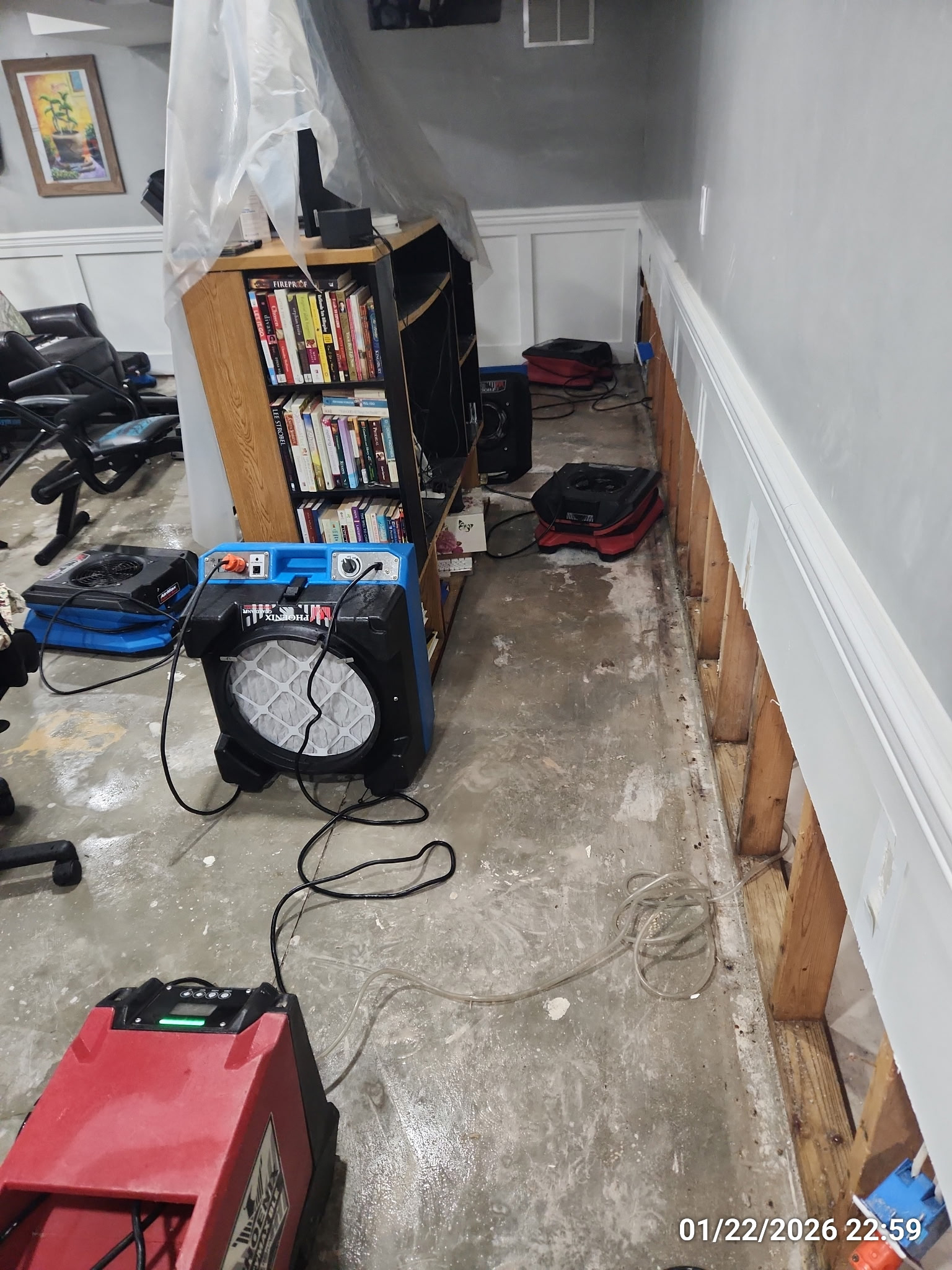
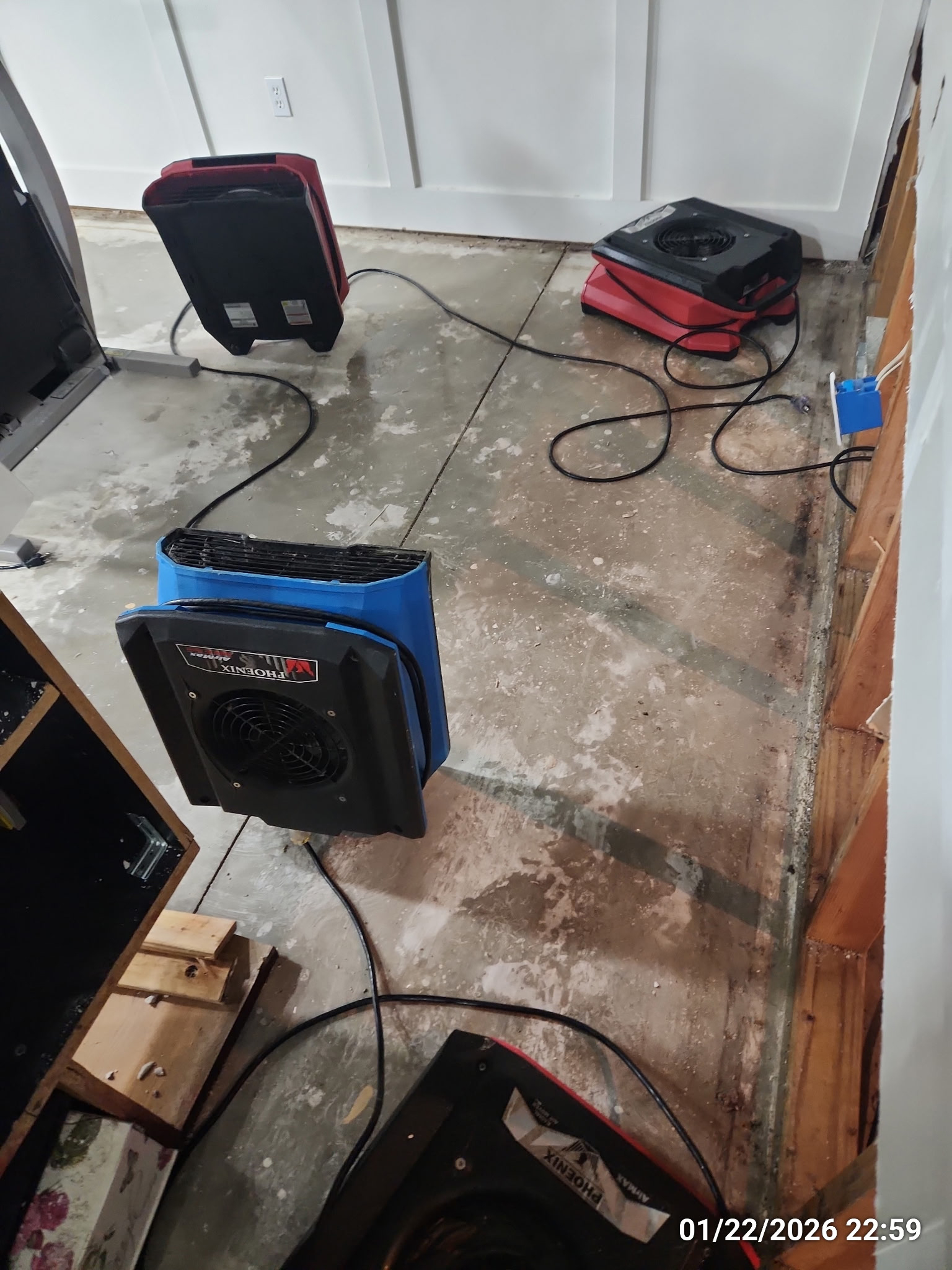
Our IICRC-certified team follows a controlled process to limit spread, protect your space, and remove impacted materials when necessary. We clean and treat affected areas with professional-grade products, document what we find, and explain the next steps clearly—so you can make confident decisions.
Mold removal isn’t a “spray and wipe” job. We use proven steps to control airborne particles, remove damaged materials when needed, and treat surfaces to reduce the chance of regrowth.
Controlled removal with containment and HEPA filtration when required.
Clear communication, clean work areas, and documented progress.
1-267-736-5729
If you’re worried about health, property value, or recurring odors, start with a professional assessment and a real plan.
Industry-standard protocols and equipment—this isn’t a cleaning service.
We help identify what’s feeding the mold so it doesn’t return.
Helps reduce cross-contamination during removal.
Photos and reporting that can support a claim when coverage applies.
Any mold growth indoors should be treated seriously. Some types can trigger allergies or irritation, and certain molds may produce stronger reactions. The safest approach is to have it assessed and removed using proper containment and filtration—rather than trying to identify it visually.
Bleach may lighten staining on non-porous surfaces, but it often doesn’t solve the underlying issue—especially if moisture remains or mold is in drywall, insulation, or wood. Professional mold removal focuses on fixing the moisture source and removing contaminated materials when needed.
We use a controlled process that can include containment barriers, negative air pressure, and HEPA air filtration to reduce cross-contamination. We also follow safe work practices to protect unaffected areas of the property.
Small surface spots can sometimes be addressed if the material is non-porous and the moisture source is solved. But recurring growth, musty odors, or mold on porous materials (drywall, carpet, insulation) usually means there’s hidden moisture—and professional assessment is the best next step.
It depends on the size of the affected area, where the mold is located (attic, basement, behind walls), and how much material needs to be removed. Many projects can be stabilized quickly, with full remediation taking a few days. We’ll provide a clear timeline after inspection.
Coverage varies by policy and cause of loss. Mold related to a sudden, accidental water event (like a burst pipe) is more likely to be covered than long-term moisture or neglected leaks. We can provide documentation and help you navigate the claim process.
Choose the fastest option below.
Get a clear scope, timeline expectations, and next steps.
Drying quickly is the best prevention after leaks or flooding.
Not sure if it’s mold? We’ll assess and advise.