When water damage hits your home, the clock starts immediately. Moisture can spread behind walls, under floors, and into cabinets—leading to warping, odors, and mold growth. Magnificent Restoration responds fast to stabilize the loss, remove water, and begin controlled drying before damage gets worse.
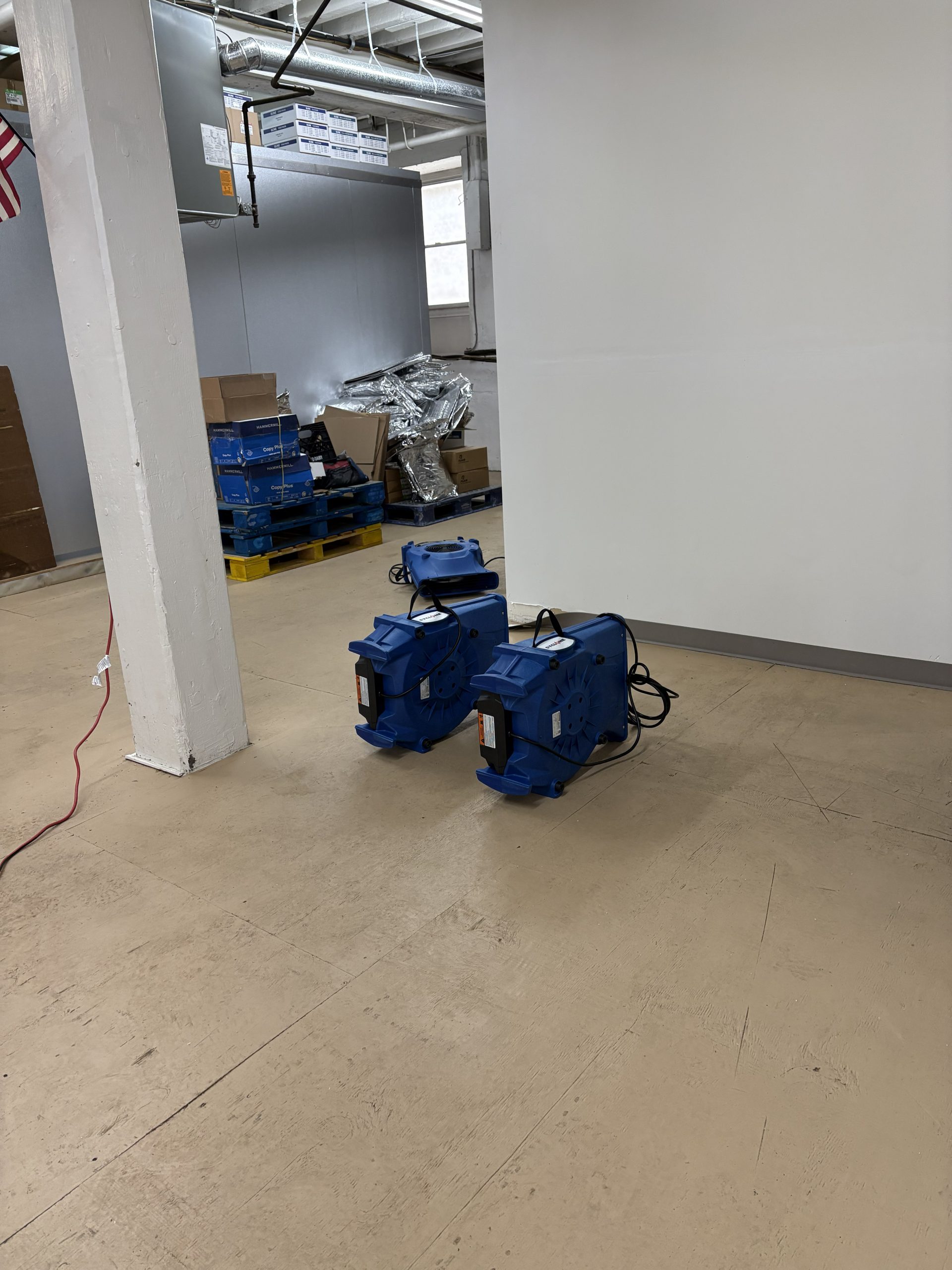
Our licensed, insured, IICRC-certified technicians use professional extraction, dehumidification, and moisture monitoring to dry the structure properly—not just the surface. If mold is present, we can set containment and HEPA filtration (as needed), remove impacted materials, clean and treat affected areas, and guide you through the next steps toward full restoration.
We keep the process simple: inspect, extract, dry, verify, and restore. You’ll know what’s happening, what comes next, and what it means for repairs and insurance.
Fast stabilization, controlled drying, and clean, protected work areas.
Moisture tracking, progress updates, and a clear plan to restore your home.
1-267-736-5729
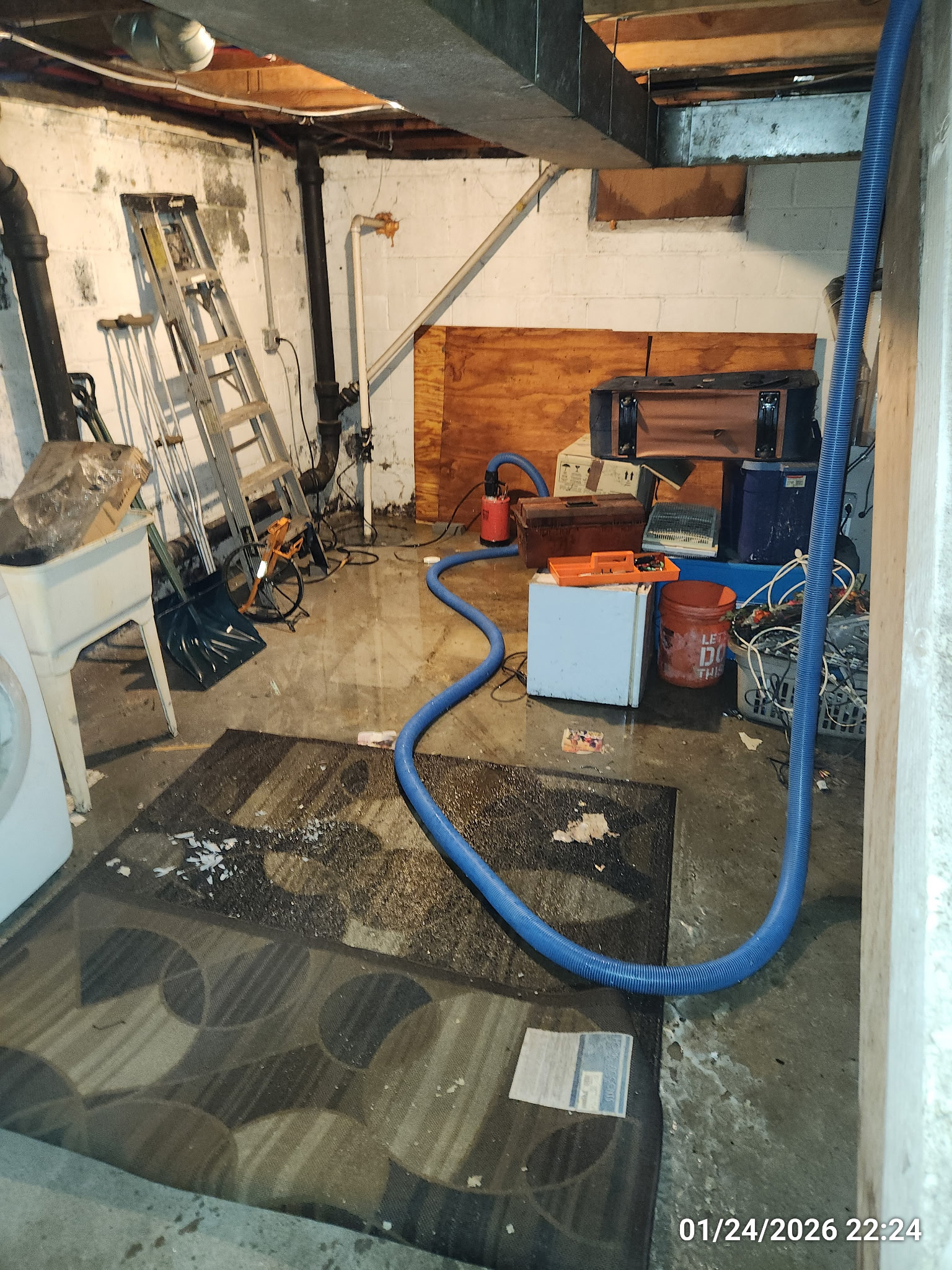
Water and mold problems need the right equipment and a certified process to prevent hidden damage and recurring issues.
Fast arrival to stop further damage and start mitigation.
Industry-standard drying and remediation protocols you can trust.
Documentation and communication that helps keep claims moving.
From emergency mitigation to repairs coordination—so you can fully move back in.
Immediately. The sooner extraction and drying begin, the more likely we can reduce secondary damage (like swollen floors, ruined drywall, and mold growth). If the water is still active, shut off the source if it’s safe to do so, then call our 24/7 line.
It depends on how far the water spread, what materials were affected, and how quickly mitigation started. Many homes require several days of controlled drying with dehumidifiers/air movers and daily moisture checks until the structure is verified dry.
Yes. Mold can begin developing quickly in damp materials—especially when moisture is trapped behind walls, under flooring, or in insulation. Proper structural drying and monitoring are key to reducing mold risk.
Sometimes. If materials are unsalvageable, contaminated, or holding moisture that can’t be dried effectively, removing them may be necessary to dry the structure properly and prevent ongoing problems. We’ll explain what must come out (and why) before proceeding.
Yes. We’re insurance-friendly and can provide photos, moisture readings, drying logs, and clear documentation that adjusters typically need. Coverage varies by policy, but we’ll help make the process smoother and more organized.
Often, yes—especially for straightforward water losses with contained work areas. However, factors like the extent of damage, presence of mold, or the need for containment/negative air may affect occupancy. We’ll review safety and comfort considerations during the inspection.
Choose the fastest option below and we’ll route you to the right team.
Tell us what happened—get clear next steps with no pressure.
Active leak or flooding? Call now for immediate dispatch.
Musty odor or visible growth? We’ll assess and recommend a plan.