Water is pouring through the ceiling, and you can’t remember where the shutoff valve is. Every minute it runs, it soaks deeper into drywall, insulation, and subfloor.
Knowing what to do when a pipe bursts comes down to order. Stop the water, make the area safe, record the damage, and start drying before mold gets a foothold.
You’re far from the only one dealing with this. Working from ISO claims data, the Insurance Information Institute (Triple-I) calculates that about 1 in 60 insured homes has a property damage claim from water damage or freezing each year. With winter coming, it pays to learn what to do when a pipe bursts before it happens to you.
Key takeaways
- Shut off the main valve
- Dry wet areas within 24-48 hours
- Photograph damage before you clean
Table of contents9 sections
Why Does a Burst Pipe Do So Much Damage?
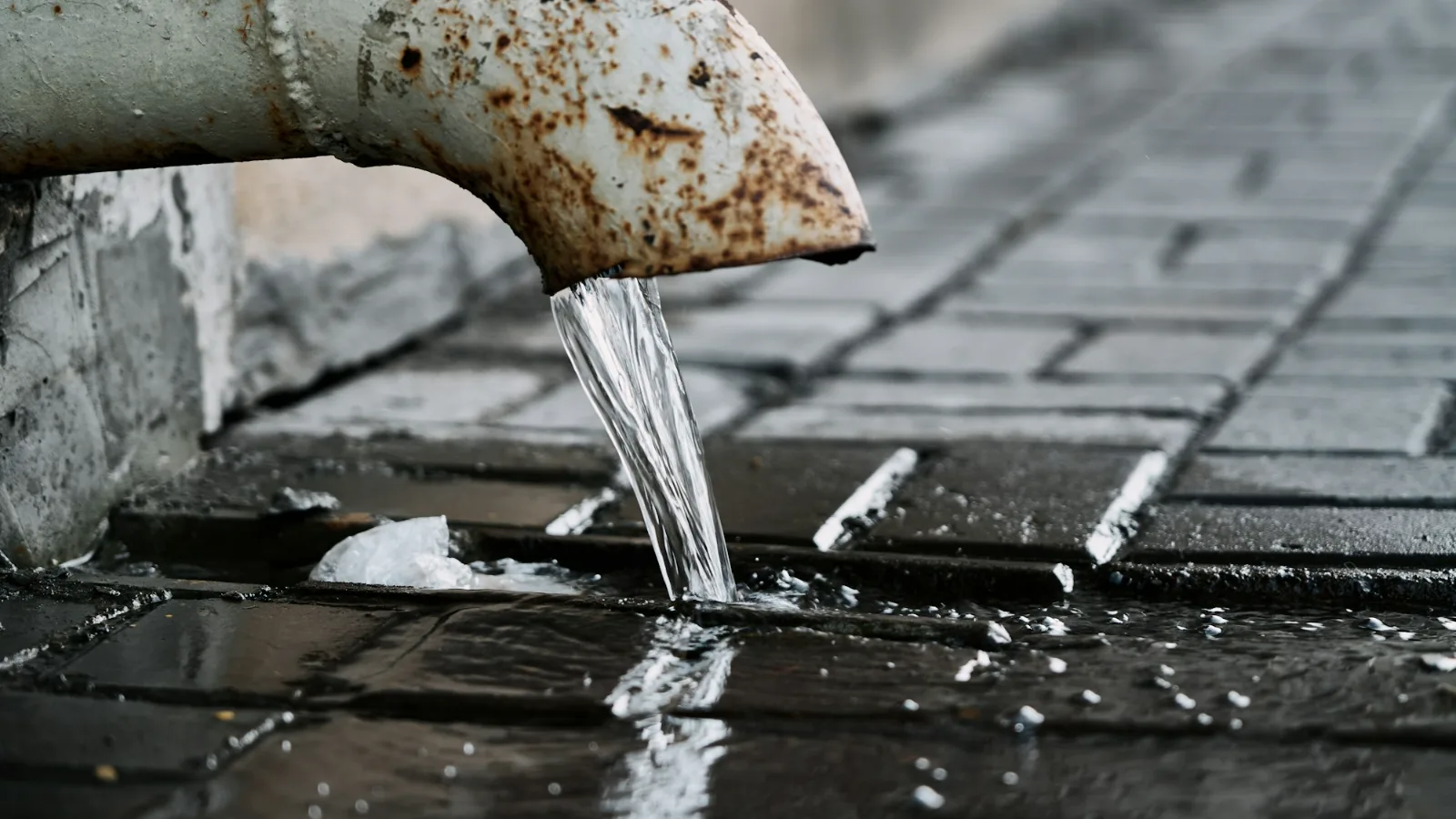
A burst pipe keeps releasing water under pressure until someone shuts off the supply. That water spreads across floors, wicks up into drywall, and soaks insulation and subfloor. ISO figures published by the Triple-I put the average homeowners claim for water damage and freezing at $15,400 for 2019 to 2023.
The pipe is the cheap part. What costs money is everything the water reaches before you stop it, and everything that stays wet too long after.
That second problem runs on a clock. The EPA says to dry water-damaged areas and items within 24 to 48 hours to prevent mold growth. That’s why the real question behind what to do when a pipe bursts is how fast you can get things dry.
What to Do When a Pipe Bursts, in Order
Read this list first if water is running right now. Each step gets more detail in the sections below:
- Shut off the main water valve. This stops water flowing to every pipe in the house.
- Cut power to wet areas if it’s safe. Never touch wet electrical equipment or stand in water to reach it.
- Open your faucets. Draining the lines empties the water still sitting in the pipes.
- Photograph everything before you move it. Your insurer will want to see what got wet.
- Call a plumber to repair the break. Nothing gets closed up until the pipe is fixed.
- Get standing water out and start drying. The EPA’s mold window is 24 to 48 hours.
- Call your insurance company. Report the loss early and save every receipt.
Steps 1 and 2 happen in the first few minutes, before you call anyone. If you remember one thing about what to do when a pipe bursts, make it the location of your main valve, and go find it today.
Stop the Burst Water Pipe at the Main Valve
Every version of what to do when a pipe bursts starts at this valve. Your main shutoff usually sits where the water line enters the house. Check the basement or crawl space, near the water heater, in a utility closet, or beside the water meter.
Turn a round handle clockwise until it stops. A lever handle is closed when it sits crossways to the pipe. Can’t find it, or it won’t turn? Call your water utility’s emergency line and ask them to shut off service at the street.
The Triple-I’s cold-weather guidance is blunt about the order. If your pipes burst, turn off the water first, then mop up.
Electricity comes next. Ready.gov’s flood safety advice says not to touch electrical equipment if it’s wet or if you’re standing in water, and to turn off the electricity if it’s safe to do so. If the breaker panel sits in the wet area, leave it alone and call an electrician or your power company.
Then open the faucets, starting with the lowest one in the house. That drains the water still in the lines, so less of it ends up on your floor.
Call the Right People in the Right Order
You don’t need an adjuster’s visit before you clean up. The Triple-I says an adjuster doesn’t need to see the spill before you take action, but will want to inspect damaged items. So move the soaked rug to the garage, not the curb.
Before you move anything, photograph and video every wet room, the broken pipe, and the high-water marks on walls and furniture. Then list the damaged items, a step the Triple-I recommends. Make these three calls as soon as the water is off:
- A licensed plumber, to repair or replace the broken pipe.
- A water damage restoration team, to pull out water and dry the structure.
- Your insurance agent or company, to report the loss and start your claim.
Keep every receipt. If you have to leave home during repairs, the Triple-I says to submit your living expense receipts to your insurer for reimbursement. What your policy pays depends on its wording, so read our guide on does homeowners insurance cover water damage.
Don’t leave the drying crew for last. Magnificent Restoration answers 24/7 with live dispatch agents and lists an average response time of 30 to 60 minutes. Its teams are licensed, insured, and IICRC-certified (IICRC is the Institute of Inspection, Cleaning and Restoration Certification), and they provide insurance-friendly documentation. You can request a free, no-obligation water damage estimate online.
Pipe Burst Cleanup for Floors, Walls, and Belongings
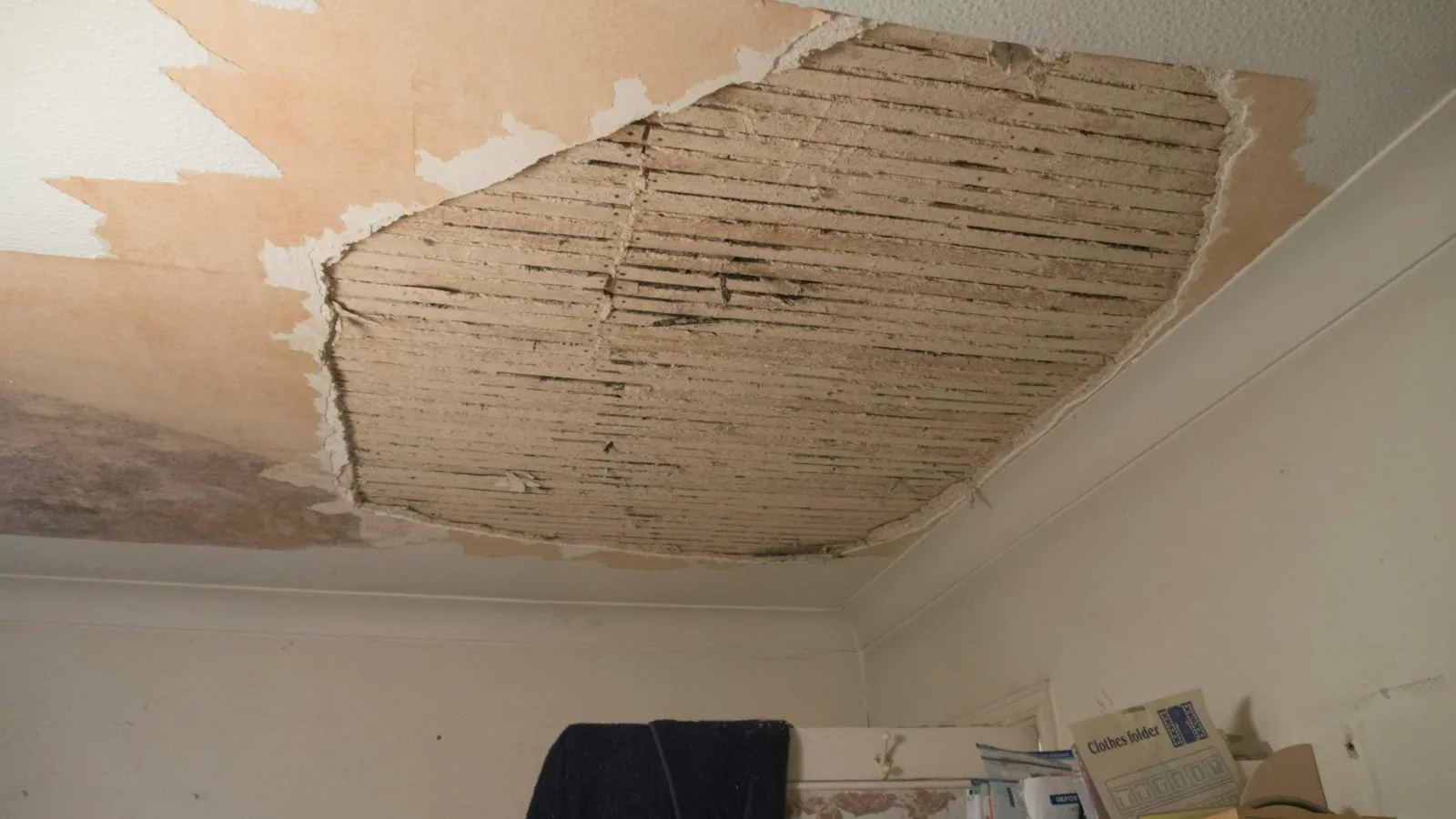
Not everything wet is ruined. Cleanup is the slowest part of what to do when a pipe bursts. The EPA’s water damage cleanup table tells you what to dry, what to clean, and what to throw out after clean water damage.
| Material | What the EPA advises |
|---|---|
| Carpet and backing | Dry within 24 to 48 hours with a water extraction vacuum, a dehumidifier, and fans |
| Drywall | Dry in place only if it isn’t swollen and the seams are intact, or replace it |
| Ceiling tiles | Discard and replace |
| Fiberglass or cellulose insulation | Discard and replace |
| Upholstered furniture | Extract water and dry, though it may be hard to fully dry within 48 hours |
Two more rules from the same table. Don’t use fans until you know the water is clean, and dry the subfloor under the carpet, not only the carpet.
Those rules cover clean water. If the water touched sewage or other contaminants, the EPA says protective equipment and containment are required, and it recommends an experienced professional.
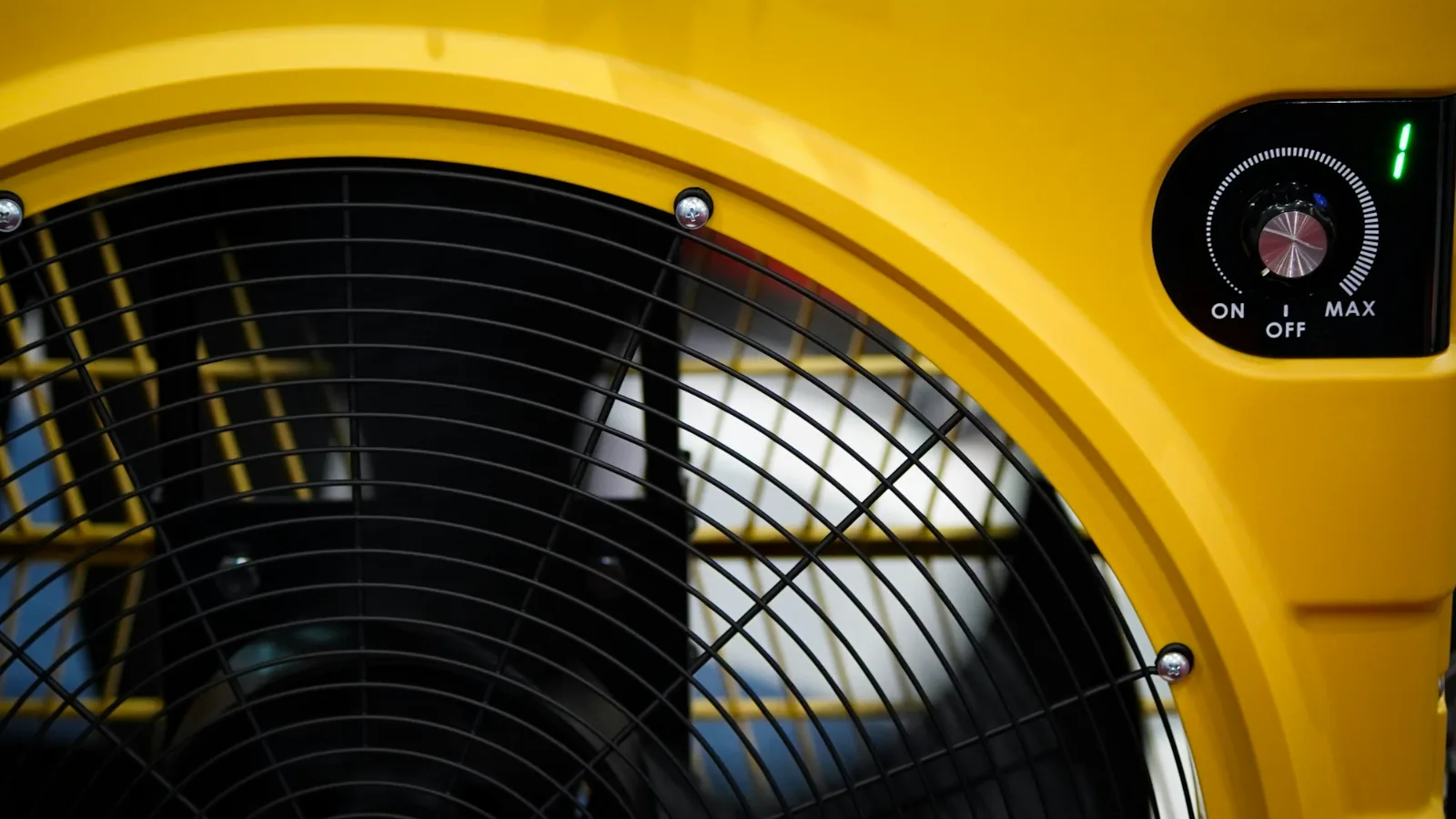
Household fans dry surfaces. They can’t reach water trapped inside a wall cavity, under a floor, or in the pad beneath your carpet, which is where a moisture meter and commercial dehumidifiers earn their keep. Mitigation and drying is step three of Magnificent Restoration’s process, right after your call and the inspection and free estimate.
Burst Pipe Repair Costs and What Drives Them
The plumbing fix is often the smallest bill. Fixr’s cost guide, last updated in August 2022, puts burst pipe repair at $200 to $1,000, with a national average of $500. A pipe inside a wall runs $150 to $500 by Fixr’s numbers, plus another $75 to $700 to repair the wall. New piping that’s hard to reach can cost up to $2,000.
Those figures are 4 years old, so get a written quote before work starts.
Fixr names pipe material, location, and the extent of the damage as the factors that move the price. In practice, these four things decide your total:
- Where the break is, from an open basement line to a pipe behind tile
- What the pipe is made of, and whether the plumber patches or replaces it
- How long the water ran before you shut the main valve
- What got wet, from bare concrete to hardwood, carpet, and finished drywall
The pipe rarely drives the big number. Drying, drywall, flooring, and contents do, which helps explain why the Triple-I’s average claim sits so far above Fixr’s repair range. For what drying and rebuilding run, see our guide to water damage restoration cost.
Where Pipes Burst Most in Winter
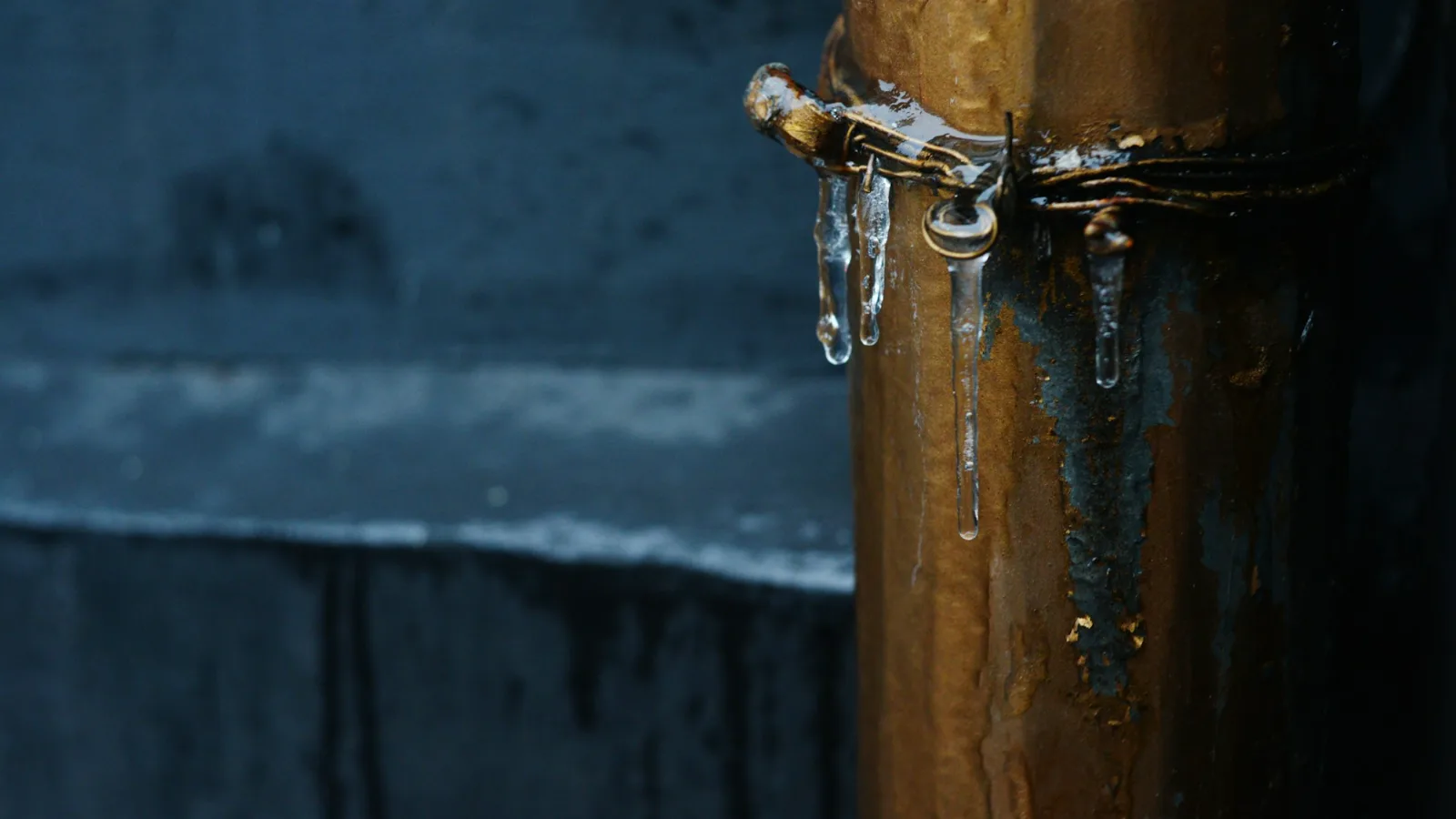
Water expands as it freezes. The American Red Cross says that expansion can break metal or plastic pipes, and it lists the pipes that freeze most often:
- Pipes exposed to severe cold, like outdoor hose bibs, pool supply lines, and sprinkler lines
- Supply pipes in unheated basements, crawl spaces, attics, garages, and kitchen cabinets
- Pipes that run along exterior walls with little or no insulation
Heading out of town? The Red Cross says to leave the heat on, set no lower than 55°F. Check your insurance too. The Triple-I notes that most homeowners policies include a vacancy clause that limits or excludes coverage when a home sits empty, typically for 30 to 60 consecutive days.
Plan what to do when a pipe bursts before you leave. Give a neighbor a key, show them the main valve, and leave a restoration company’s number on the fridge.
Prevention gets its own guide. Read how to prevent frozen pipes before the first hard freeze.
FAQs About What to Do When a Pipe Bursts
Should you call a plumber or a water damage company first?
Call both, and don’t wait on either. The plumber fixes the pipe, and a water damage company pulls out the water and dries the structure. Once the main valve is off, the pipe can wait a few hours. Wet drywall and carpet can’t, since the EPA’s window for drying is 24 to 48 hours.
How long do you have to dry things out?
The EPA says to dry water-damaged areas and items within 24 to 48 hours to prevent mold growth. If damp materials are dried in that window, the EPA says mold won’t grow in most cases. It calls this a guideline, not a guarantee, so anything that stayed wet longer may need a professional check.
Can you stay in your house after a pipe bursts?
It depends on whether the power is safe, whether the water was clean, and how much of the house got wet. Stay out of the affected rooms if a ceiling is sagging, if the electrical panel got wet, or if the water came from a sewer line. If you move out during repairs, the Triple-I says to save receipts for living costs and submit them to your insurer.
Who pays for the damage when a pipe bursts?
It depends on your policy. The Triple-I says standard homeowners policies cover most damage from a freeze, including house pipes that freeze and burst. Most policies don’t cover flood damage or sewer and drain backups, and a vacancy clause can limit coverage on an empty home. Call your agent and read your own policy before you assume anything.
How can you tell if a pipe burst inside a wall?
Read your water meter. The EPA’s WaterSense program says to check it before and after a two-hour period when no water is being used, and if it changes at all, you probably have a leak. Stains, bubbling paint, and soft drywall are other clues. Then follow the same steps for what to do when a pipe bursts, starting with the main valve.
Your Next Call After the Water Stops
Now you know what to do when a pipe bursts. Shut the valve, make the area safe, take your photos, and start drying.
Magnificent Restoration handles the rest, from inspection and a free estimate to mitigation, drying, restoration, and direct insurance billing. Live dispatch agents answer 24/7 at 1-267-736-5729.