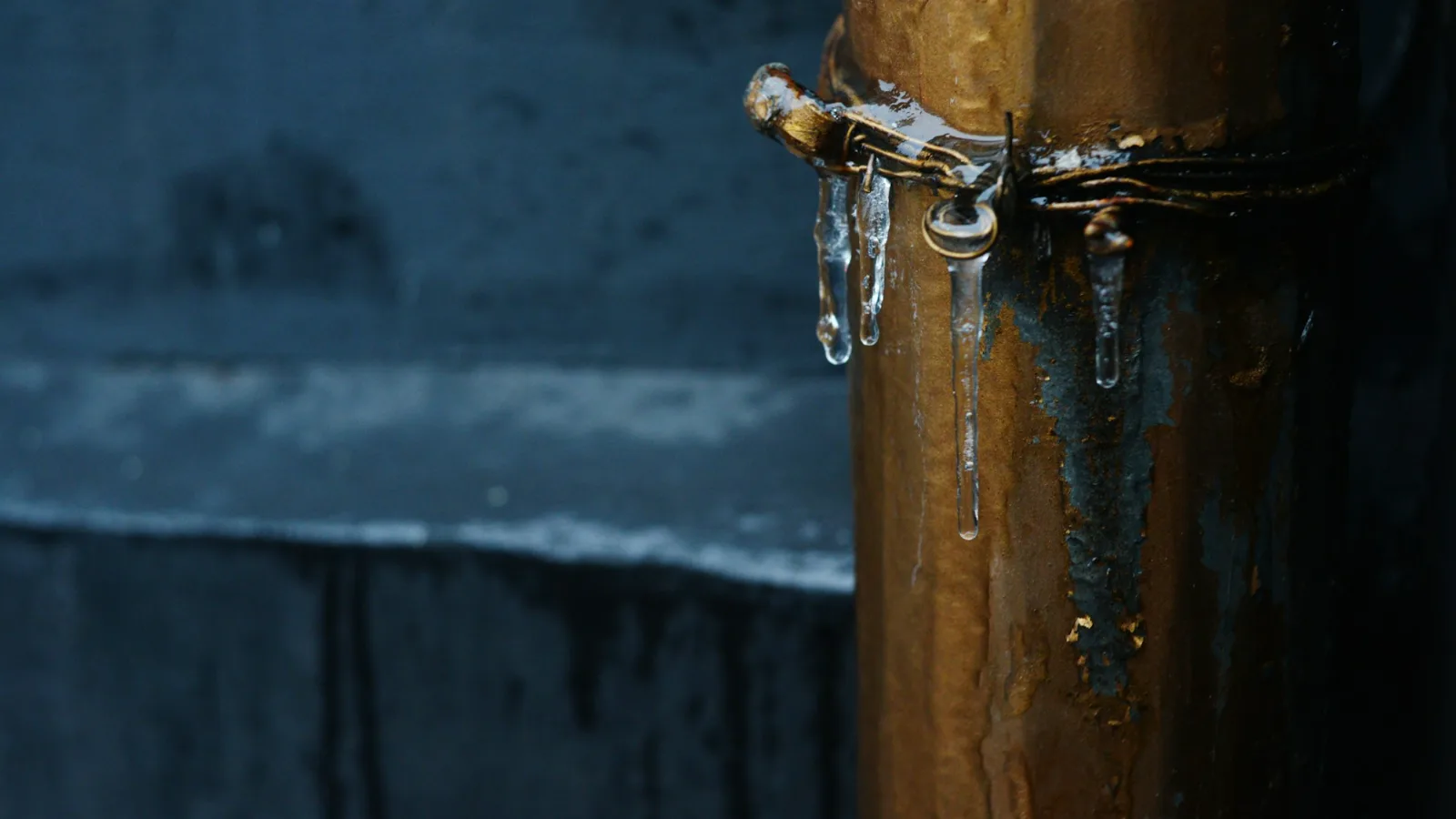
Pipes don’t need a blizzard to freeze. A cold night, an outside wall, and water sitting still in the line can be enough. When that water turns to ice it expands, and the American Red Cross warns that expanding water can break a pipe no matter how strong it is.
Knowing how to prevent frozen pipes costs far less than learning the hard way. Water damage and freezing claims averaged $15,400 each from 2019 to 2023, according to Insurance Information Institute data. Most of the work fits into one fall afternoon, and the rest comes down to a few habits on the coldest nights.
Key takeaways
- Insulate pipes in unheated spaces
- Drip faucets on the coldest nights
- Never set heat below 55°F
Table of contents9 sections
At What Temperature Do Pipes Freeze?
Water freezes at 32°F, but the outdoor number to watch is lower. Texas A&M AgriLife Extension warns that water pipes can freeze and burst when the outside temperature reaches 20°F or below. Treat any forecast in the low 20s as your cue to protect exposed pipes.
Where a pipe runs matters as much as the forecast. The Red Cross says these pipes freeze most often:
- Outdoor hose faucets, swimming pool supply lines, and sprinkler lines
- Supply pipes in unheated basements, crawl spaces, attics, and garages
- Pipes inside kitchen cabinets, out of reach of warm room air
- Pipes along outside walls with little or no insulation
Not sure where yours run? Check where the water service enters through the foundation, a spot the Red Cross flags as a likely place for a frozen pipe.
How to Prevent Frozen Pipes Before the First Freeze
Fall is the cheap time to fix this. These 5 steps cover the once-a-year side of how to prevent frozen pipes, and most take an afternoon.
Drain and shut off outdoor lines
Remove, drain, and store your hoses. Close the indoor valve that feeds each outdoor faucet, then open the outside faucet and leave it open so leftover water can expand without breaking the pipe.
Insulate pipes in unheated spaces
Slide foam sleeves over exposed pipes in the garage, attic, crawl space, and sink cabinets. Do the hot lines too. For pipes in attics and crawl spaces, the Insurance Information Institute suggests plug-in heating cable, UL-listed and with a built-in thermostat.
Seal drafts near pipes and the meter
Cold air blowing across a pipe raises its risk of freezing, the Philadelphia Water Department warns. So seal the gaps. Caulk drafty windows near pipes or the meter, and cover them with plastic.
Find your main shutoff valve
Learn where your main water shutoff is and how it works, so you can close it fast. In Philadelphia, the Water Department says the valve usually sits near the meter, and it asks you to keep the meter area above 40°F.
Ask about a pressure release valve
Ask a licensed plumber about an emergency pressure release valve. The Insurance Information Institute says it protects against the pressure freezing pipes build and can help keep them from bursting.
Cold-Night Habits That Keep Water Moving
Cold nights are the other half of how to prevent frozen pipes. A faucet left at a trickle overnight costs only pennies, the Philadelphia Water Department says, and the moving water helps keep the pipe from freezing.
On nights in the low 20s, follow the Red Cross playbook:
- Let cold water drip from any faucet fed by exposed pipes.
- Open kitchen and bathroom cabinet doors so warm air reaches the plumbing.
- Move cleaners and chemicals out of children’s reach once those doors are open.
- Keep the garage door closed if water lines run through the garage.
- Hold the thermostat at one setting, day and night.
That steady setting may raise your heating bill. The Red Cross weighs that against a much more costly repair if a pipe freezes and bursts.
So how warm is warm enough? If you go away, the Red Cross says to leave the heat at 55°F or higher. The Insurance Information Institute’s cold weather guide aims for at least 65°F and warns that a lower setting might not keep the inside of your walls from freezing. If your pipes run through outside walls, the higher number is the safer bet.
Can PEX Pipes Freeze?
Yes, PEX pipes can freeze, but the flexible plastic can stretch instead of splitting. A 2006 PEX design guide written for HUD’s housing technology program and two plastic pipe trade groups says under most circumstances, water in the pipe can be frozen and thawed without damaging the pipe. A frozen PEX line still leaves you without water.
PEX is short for cross-linked polyethylene, the bendable plastic tubing used for water lines. Its give has limits. The guide says the protection holds when PEX has room to expand evenly along its length, as it usually does inside walls and ceilings. PEX set in a concrete slab may not have that room.
The guide still says PEX systems should not be intentionally subjected to freezing. So PEX doesn’t change how to prevent frozen pipes at all, and it needs the same sleeves, sealed drafts, and steady heat you’d give copper.
How to Thaw Water Pipes Safely
The Red Cross says to suspect a frozen pipe when you turn on a faucet and only a trickle comes out.
Before you warm anything, find your main shutoff. Texas A&M AgriLife Extension points out that a frozen pipe may already be broken and will leak once the ice thaws.
Keep the faucet open, since flowing water helps melt the rest of the ice. Then apply heat until full water pressure returns. The Red Cross lists what’s safe and what isn’t, and the Philadelphia Water Department prefers warming the area around a pipe over heating the pipe itself.
| Safe heat sources | Never use |
|---|---|
| Electric heating pad wrapped around the pipe | Blowtorch |
| Electric hair dryer | Kerosene or propane heater |
| Portable space heater, away from anything flammable | Charcoal stove |
| Towels soaked in hot water | Any other open-flame device |
Texas A&M’s guide adds that open flames are a serious fire hazard and release deadly carbon monoxide. Keep cords and heaters away from standing water too, since University of Illinois Extension warns of electric shock in and around it.
PEX needs a lighter touch. The design guide says to skip the torch, use a hot air gun or blow dryer, and keep the tubing at or below 180°F.
Call a licensed plumber if you can’t find, reach, or thaw the frozen spot. Then test every other faucet, since the Red Cross notes that when one pipe freezes, others may too.
Can Sewer Lines Freeze?
Yes, sewer lines can freeze, though whether yours ever will depends on the system, the location, and how much water you use. The University of Minnesota’s septic program blames low spots where sewage collects, pipes that sag, thin trickles from leaking fixtures, and empty homes where no warm water flows.
The trickle surprises people. A leaking toilet or showerhead sends a thin, slow film of water down the line, and the program’s fact sheet says it can freeze inside the pipe until the pipe freezes solid. Fix leaks before winter.
If you’re on septic, how to prevent frozen pipes extends past the house. The program suggests:
- Spread 8 to 12 inches of straw or leaves over the pipes, tank, and soil treatment area.
- Let the grass grow a little longer over the system in late summer and fall.
- Keep cars, snowmobiles, and foot traffic off the system so the snow doesn’t pack down.
- Use water normally, and warm water helps, but never leave it running nonstop.
If the system freezes, call a septic professional. The fact sheet says never to add antifreeze, salt, or septic additives, and never to light a fire over the system to thaw it.
Sewer backup raises its own insurance question. The Insurance Information Institute says standard homeowners and renters policies don’t cover it, though you can buy that coverage as a separate product or an endorsement (a policy add-on).
When Frozen Pipes Burst, Shut Off the Water First
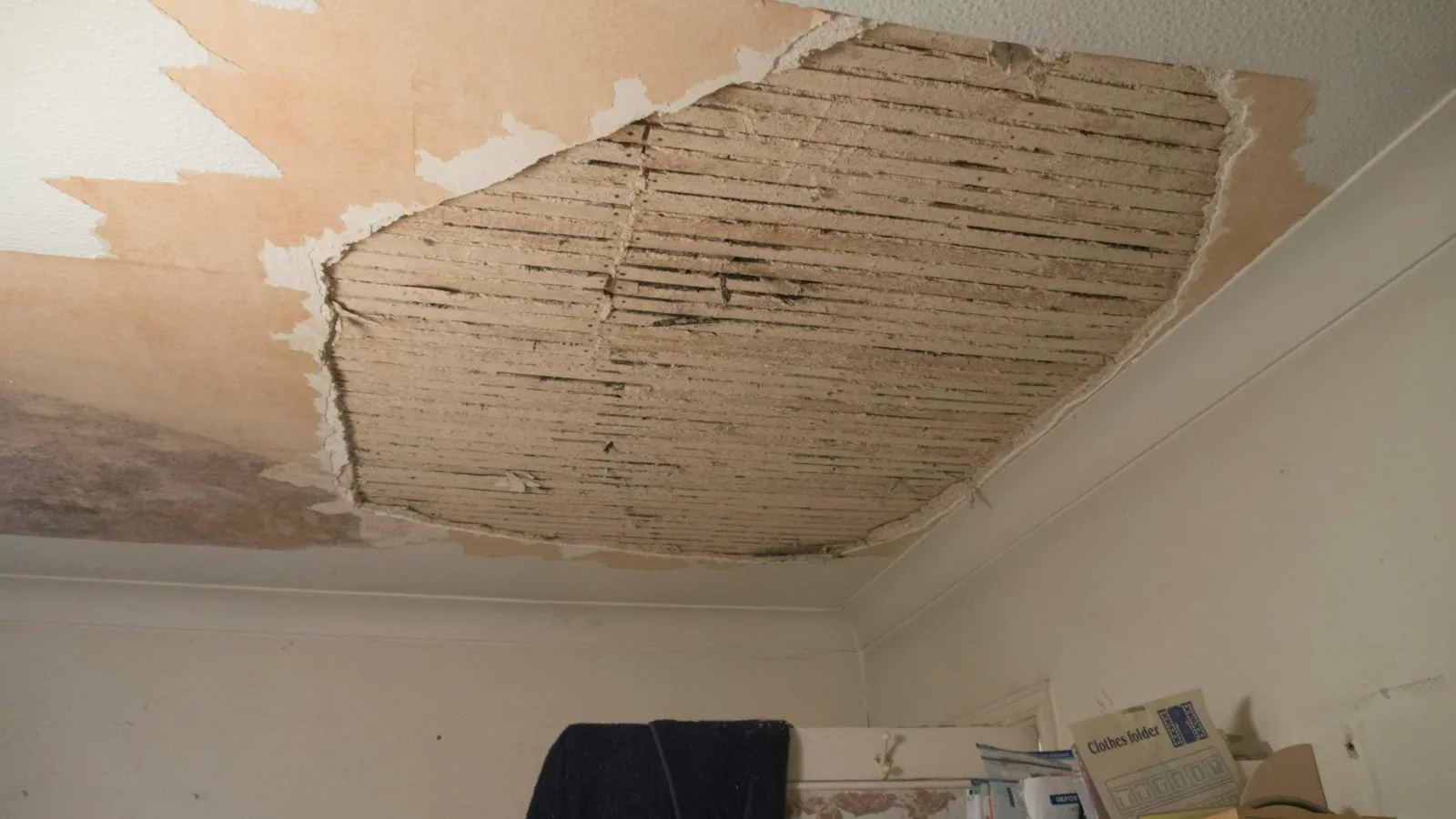
No plan for how to prevent frozen pipes is perfect. When a line splits, it moves a lot of water fast, and University of Illinois Extension says an eighth-of-an-inch crack can release up to 250 gallons of water a day, soaking floors, rugs, and furniture. The Insurance Information Institute calls speed critical, since the faster you shut off the water, the better your chance of avoiding major damage.
Do these in order:
- Close the main shutoff, and the valve on top of the water heater if a hot line broke.
- Keep clear of standing water near outlets, cords, and appliances.
- Photograph the damage before you move or throw anything out.
- Call a plumber for the pipe and your insurance agent about the claim.
Fixing the pipe doesn’t fix the room. Water that soaks into walls and floors has to come out, and the Insurance Information Institute’s cold weather guide tells homeowners to properly dry and repair any water damage.
That’s where 24/7 water damage restoration comes in. Magnificent Restoration keeps live dispatch agents on the phone around the clock, with a stated average response of 30 to 60 minutes. Its licensed, insured teams are certified by the IICRC (the Institute of Inspection, Cleaning and Restoration Certification). For the full cleanup sequence, read what to do when a pipe bursts, and before you file, check whether homeowners insurance covers water damage.
FAQs About How to Prevent Frozen Pipes
Should you let faucets drip when it’s freezing?
Yes, and a slow drip is one of the cheapest parts of how to prevent frozen pipes. The Red Cross says running water through a pipe, even at a trickle, helps keep it from freezing, so let cold water drip from faucets fed by exposed pipes. The Insurance Information Institute suggests opening both hot and cold taps enough to drip slowly. On a septic system, keep the drip small, since University of Minnesota guidance warns that water left running all the time can overload it.
Can hot water pipes freeze?
Yes. Texas A&M AgriLife Extension notes that a hot water line can freeze just like a cold one when no water runs through it and the water inside has cooled. That’s why the Red Cross says to insulate both hot and cold pipes in garages and under kitchen and bathroom cabinets. It’s one more reason to drip both taps on bitter nights.
How do you know if a pipe is frozen?
A faucet that gives only a trickle, or nothing at all, is the clearest sign. Whole house dry? Ask a neighbor whether their water works. The Philadelphia Water Department says a neighbor without water points to a possible water main break, and if theirs runs fine, the problem probably lies in your own pipes.
How to prevent frozen pipes when you’re away?
Heat is the core of how to prevent frozen pipes in an empty house. Leave it on and set no lower than 55°F, the Red Cross minimum when you travel in cold weather. University of Illinois Extension says to have someone check the house daily to confirm the heat is still running, or to drain and shut off the water system, except indoor sprinkler systems. For a long trip, the Insurance Information Institute suggests having a professional drain the system, pool plumbing included.
Get Help Before the Water Spreads
Most of how to prevent frozen pipes is heat, insulation, and moving water, and you can handle nearly all of it yourself before the first hard freeze. If a pipe splits anyway, call Magnificent Restoration 24/7 at 1-267-736-5729. A live dispatcher answers, and the team moves from inspection and a free, no-obligation estimate to mitigation and drying, then restoration and the insurance side.
The company provides insurance-friendly documentation, and direct insurance billing is available. Coverage depends on your own policy, so confirm the details with your agent.