Water on the floor starts a clock. You need it out of the house, and you need to know who pays for the mess. Does homeowners insurance cover water damage? Often, yes, when the water came from a sudden, accidental break inside your home.
It often doesn’t when the water crept in slowly, rose from the ground, or backed up through a drain. Policies vary, so your own policy and your agent have the final word. The patterns below come from standard policy language, and they’ll show you where you likely stand before the adjuster arrives.
Key takeaways
- Burst pipes usually covered
- Floods need a separate policy
- Slow leaks often denied
Table of contents9 sections
When Does Homeowners Insurance Cover Water Damage?
Homeowners insurance usually covers water damage that is sudden and accidental and starts inside your home, such as a burst pipe or a split washer hose. It usually doesn’t cover flooding, sewer backup, groundwater seepage, or damage from a leak you let run. The cause of the water decides the claim, not the size of the mess.
That test comes straight from policy language. The National Association of Insurance Commissioners (NAIC) says homeowners policies cover damage from a "sudden and accidental" discharge from a plumbing system.
Triple-I, the Insurance Information Institute, keeps a list of covered perils that names 3 water causes the HO-2 and HO-3 homeowners forms cover:
- Accidental discharge or overflow of water or steam from plumbing, heating, cooling, sprinklers, or an appliance
- Sudden tearing apart, cracking, or bulging of a steam or hot water heating system
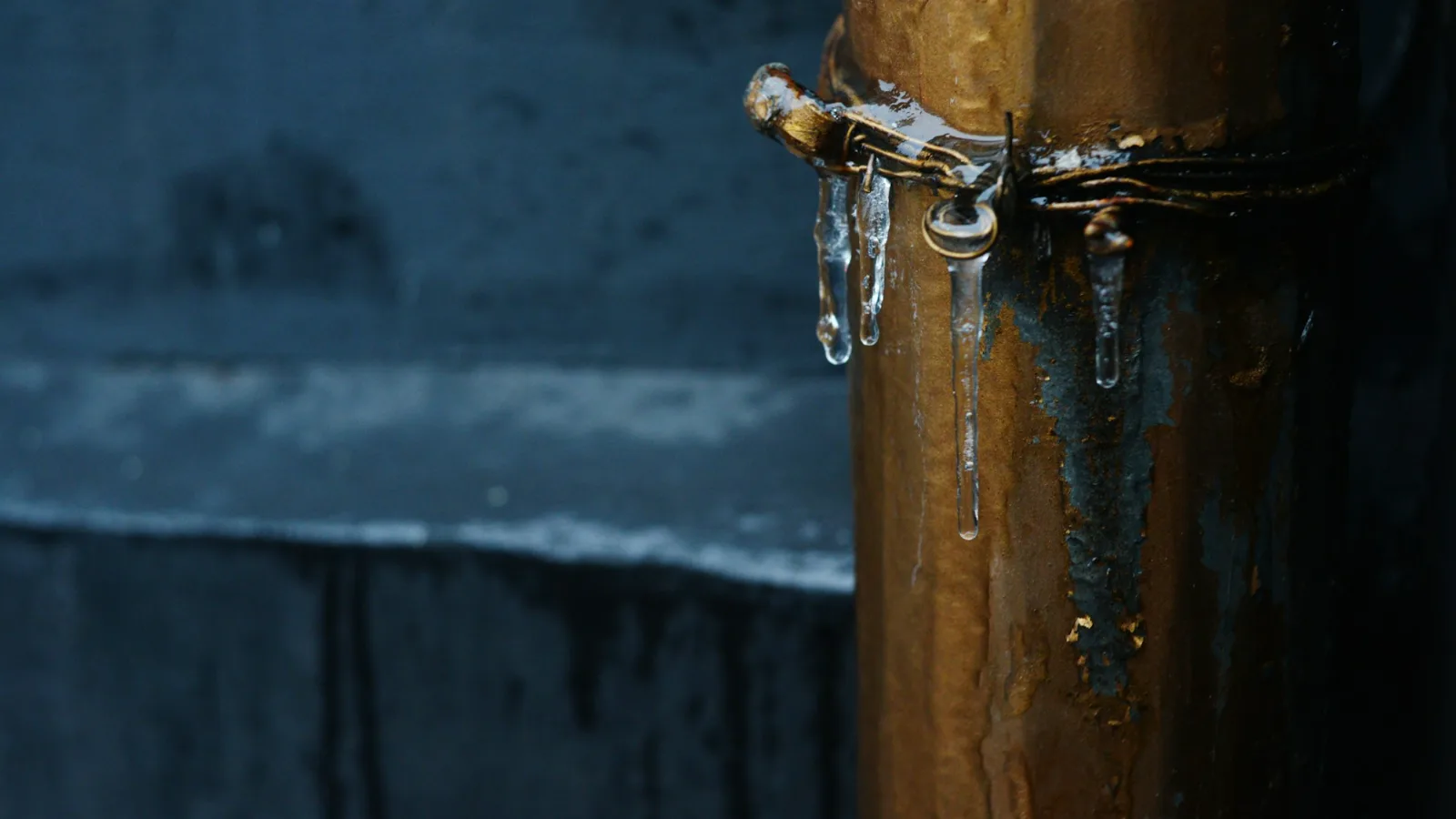
- Freezing of a plumbing, heating, or cooling system, or of a household appliance
A peril is a cause of loss your policy names. These perils get used a lot. About 1 in 60 insured homes has a property damage claim for water damage or freezing each year, and those claims averaged $15,400 from 2019 to 2023, according to Triple-I’s homeowners claims data.
Home Insurance Water Damage at a Glance
Where the water came from matters more than how much there is. Why does homeowners insurance cover water damage from a washer hose but not from a rising river? Triple-I frames it as top down versus bottom up.
Water from the top down, such as rainfall and burst sprinklers, is usually covered by a standard policy, according to Triple-I’s water damage guide. Water from the bottom up, such as an overflowing river, belongs to a separate flood policy. Here’s how common losses usually sort out.
| What happened | How a standard policy usually treats it |
|---|---|
| A pipe bursts without warning | Usually covered as a sudden, accidental discharge |
| A pipe freezes and splits in a heated home | Usually covered as a freezing loss |
| A washer or dishwasher hose fails | Usually covered as an appliance discharge |
| An ice dam pushes water under the shingles | Usually covered, per Triple-I |
| A slow drip rots the floor over months | Often denied as a maintenance problem |
| Groundwater seeps through the foundation | Excluded as seepage |
| A sewer or drain backs up | Not covered without a sewer backup add-on |
| A river or storm floods the house | Excluded, and needs flood insurance |
None of this replaces your own policy. The NAIC tells homeowners to read the exclusions section, where flood will probably be listed under "water damage."
Does Homeowners Insurance Cover Pipes That Burst?
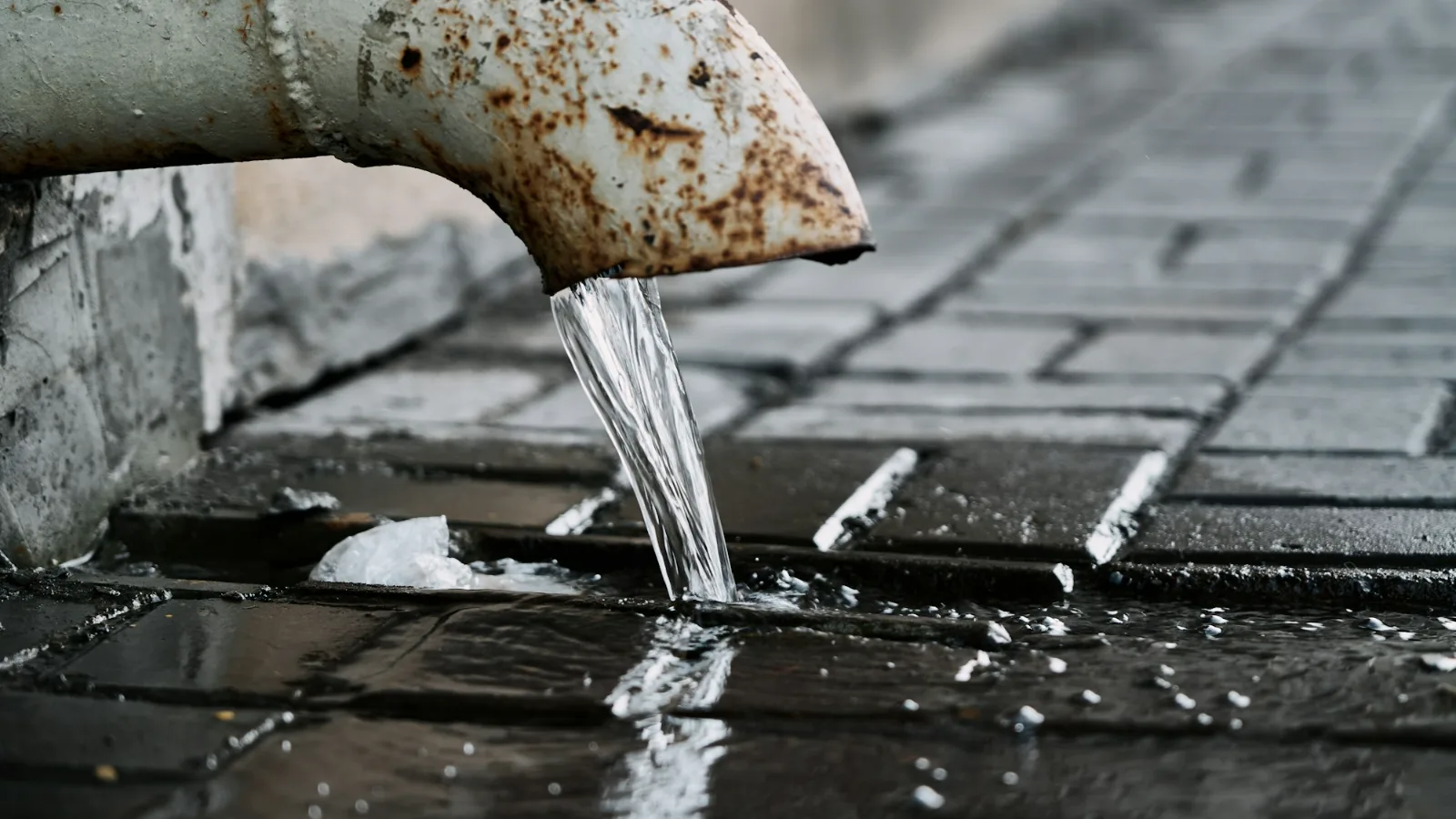
Usually, yes. A pipe that bursts without warning is the classic sudden and accidental loss, and Triple-I says homeowners and renters insurance provides coverage for burst pipes. In a covered claim, the policy pays to dry and repair what the water ruined, minus your deductible. The fight, when there is one, is over how the pipe broke.
Freezing is where claims get tested. The NAIC says policies typically require you to keep the home at a minimum temperature, or to shut off the water supply if the home is vacant. If your insurer finds you neglected the plumbing by skipping those steps, the burst pipe damage may not be covered.
So does homeowners insurance cover water damage from a frozen pipe in an empty house? Often not. Triple-I says most homeowners insurance policies include a vacancy clause, which limits or excludes coverage once a home sits unoccupied for typically 30 to 60 consecutive days. If a house sits empty for long stretches, like a rental between tenants, ask your agent about a vacant home policy, which Triple-I says often still covers a pipe that bursts from freezing.
If a pipe just burst in your home, shut off the main valve and get the water out first. The steps in what to do when a pipe bursts walk you through the first hour.
5 Hidden Risks a Standard Policy Leaves Open
So where does homeowners insurance cover water damage poorly, or not at all? Mostly in these 5 places, each written into the exclusions or conditions of a standard policy:
- Slow leaks. A drip that rots a cabinet over months reads as poor upkeep, not a sudden accident.
- Seepage. Triple-I says groundwater seeping into a basement is a maintenance issue and is not covered.
- Sewer and drain backup. Triple-I says a typical homeowners policy doesn’t cover it, and neither does flood insurance.
- Flooding. Rising water from outside the home needs its own flood policy, explained below.
- Mold. Triple-I says your policy will not cover damage from lack of maintenance or from mold.
Sewer backup is the easiest risk to close. Triple-I says you can buy the coverage as a separate product or as an endorsement to your homeowners policy, usually at a nominal cost. An endorsement is an add-on that changes what your base policy covers.
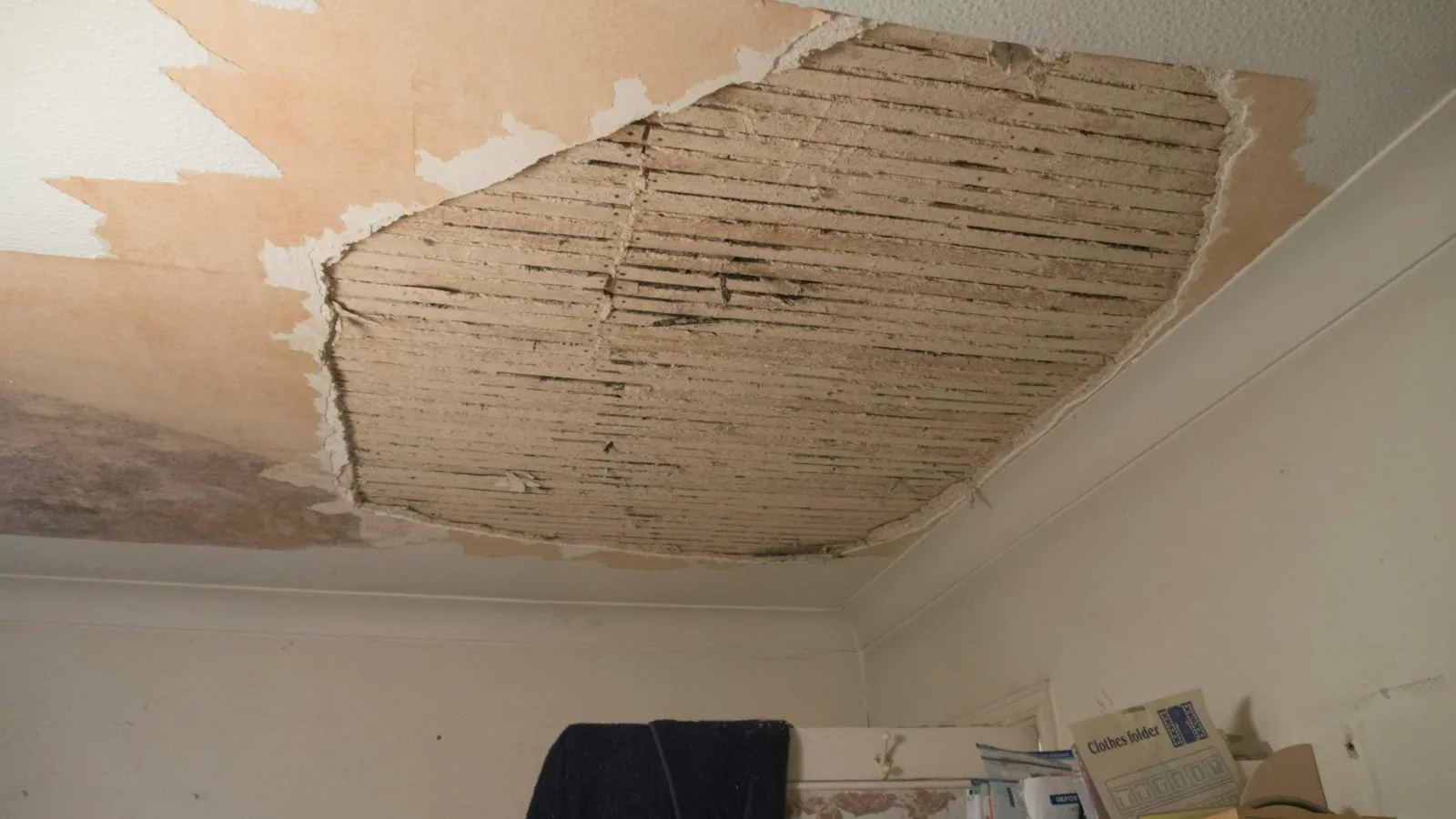
Mold follows water fast. The EPA’s mold and moisture guide says that if wet materials are dried within 24 to 48 hours after a leak, in most cases mold will not grow. A fast dry-out keeps a covered leak from turning into a mold problem your policy may not pay for. The guide on whether homeowners insurance covers mold removal shows where that line usually falls.
Homeowners Insurance Flood Coverage Needs Its Own Policy
Does homeowners insurance cover water damage from a flood? Not under a standard policy. FEMA’s flood insurance guidance says most homeowners and renters insurance policies do not cover flood damage. Flood coverage comes from the National Flood Insurance Program (NFIP) and a few private insurers.
A low-risk flood map isn’t the same as no risk. About 40% of NFIP flood insurance claims come from outside high-risk flood zones, according to FEMA.
Timing matters as much as the policy. NFIP policies typically take 30 days from the date of purchase to take effect, so buying one when the storm is already in the forecast is too late. Through the NFIP, homeowners can buy up to $250,000 of coverage for the building and up to $100,000 for contents.
Does Home Insurance Cover Plumbing Repairs?
Not in the way most people hope. Home insurance is built for sudden damage, and Triple-I says a standard policy will not pay for damage caused by routine wear and tear. A corroded pipe, a worn valve, or a tired water heater that finally gives out is a maintenance problem first.
Does homeowners insurance cover water damage and the part that broke? The water damage from a sudden failure may be covered, and the worn part that failed is a separate question. Policy wording on that part varies, so ask your agent directly and get the answer in writing.
Keep the plumber’s invoice and the restoration invoice separate, with each line itemized. That makes it easy for an adjuster to see which costs belong to the covered loss. For typical price ranges, see this guide to water damage restoration cost.
Filing a Water Damage Claim That Holds Up
A covered loss can still become a weak claim. Triple-I’s claims advice comes down to 5 moves:
- Take reasonable steps to protect your home from further damage, starting with the water shutoff.
- Photograph or video the damage before anything gets moved or torn out.
- Contact your agent or insurer right away and write down your claim number.
- Keep damaged items until the adjuster has visited, and save every receipt.
- Hold off on extensive permanent repairs until the adjuster has assessed the damage.
Drying out is not a permanent repair, and it can’t wait. Mitigation, the work of stopping the water and drying the structure, is the reasonable step that keeps a covered loss from growing into a bigger one with mold and ruined drywall. That’s why it should start the day the water shows up, right after your photos.
Magnificent Restoration’s licensed, insured, and IICRC-certified teams handle that work. IICRC is the Institute of Inspection, Cleaning and Restoration Certification, a certification body for the cleaning and restoration trade. The company provides insurance-friendly documentation and offers direct insurance billing through its 24/7 water damage restoration service.
Does Homeowners Insurance Cover Water Damage? FAQs
Does homeowners insurance cover water damage from a roof leak?
It depends on why the roof leaked. Triple-I says homeowners insurance provides coverage for wind-driven rain and for damage from ice dams on your roof. A roof that leaked for years through worn shingles points back to maintenance, and policies exclude damage from lack of maintenance.
Does homeowners insurance cover plumbing leaks?
Sudden plumbing leaks are usually covered in standard policies, and slow ones often aren’t. Triple-I says the HO-3 covers you for accidental discharge of water from a plumbing system. A leak that ran for weeks reads as a maintenance problem instead. Fix small drips the day you spot them.
Does homeowners insurance cover water damage in a basement?
Only when the source is a covered one. A burst pipe in the basement is treated like any other sudden plumbing loss. Groundwater seepage is excluded, sewer backup needs an add-on, and floodwater needs a flood policy. Pin down the source before you call.
Does homeowners insurance cover water damage if you were away?
Often, for a short trip, if you met the policy’s conditions. The NAIC says policies typically require a minimum indoor temperature, or a water shutoff when the home is vacant. Longer absences can trigger a vacancy clause, which Triple-I says typically applies after 30 to 60 consecutive days.
How long do you have to file a water damage claim?
Check the deadline in your own policy. Triple-I says most policies require claims to be filed within 1 year from the date of the disaster. Report water damage much sooner than that, since the longer water sits, the harder it is to show the damage came from a sudden event.
Should you call your insurer or a restoration company first?
Call both, the same day. Your insurer needs to open the claim, and a restoration crew needs to stop the water and start drying. Magnificent Restoration answers 24/7 with live dispatch agents and offers a free, no-obligation estimate you can share with your adjuster.
Get Help Before the Water Spreads
Your policy decides what gets paid. How fast the water comes out decides how much there is to pay for. If you’re still asking "does homeowners insurance cover water damage" for your own leak, your agent can answer that, and a restoration crew can stop the damage in the meantime.
Magnificent Restoration runs 24/7 emergency service with a stated average response of 30 to 60 minutes. One call gets you an inspection and estimate, then the team handles mitigation, drying, restoration, and the work with your insurer.
Get my free estimate or call 1-267-736-5729 any time, day or night.