You found mold. Now you want to know what getting rid of it will cost. According to HomeAdvisor’s cost data, updated in June 2026, the normal mold remediation cost runs from $1,223 to $3,758, and the average job comes in at $2,369.
That range covers a lot of ground. A small patch on a bathroom ceiling and a finished basement with mold behind the drywall are very different jobs, and they get priced that way.
Below, you’ll find the price per square foot, the price by room, and the repair and testing costs that can land on top of removal. And you’ll see where a small job is one you can handle yourself, and where it isn’t.
Key takeaways
- Average job runs $2,369
- $10 to $25 per sq ft
- Attics cost $1,000 to $4,000
Table of contents10 sections
What Is the Average Cost of Mold Remediation?
The average cost of mold remediation is $2,369, based on HomeAdvisor’s 2026 data from surveys of real customers. The normal range runs from $1,223 to $3,758. Bigger jobs go far past that. HomeAdvisor prices mold in an HVAC system (your heating and cooling system) at $3,000 to $10,000, and whole-house cleanups at $10,000 to $30,000.
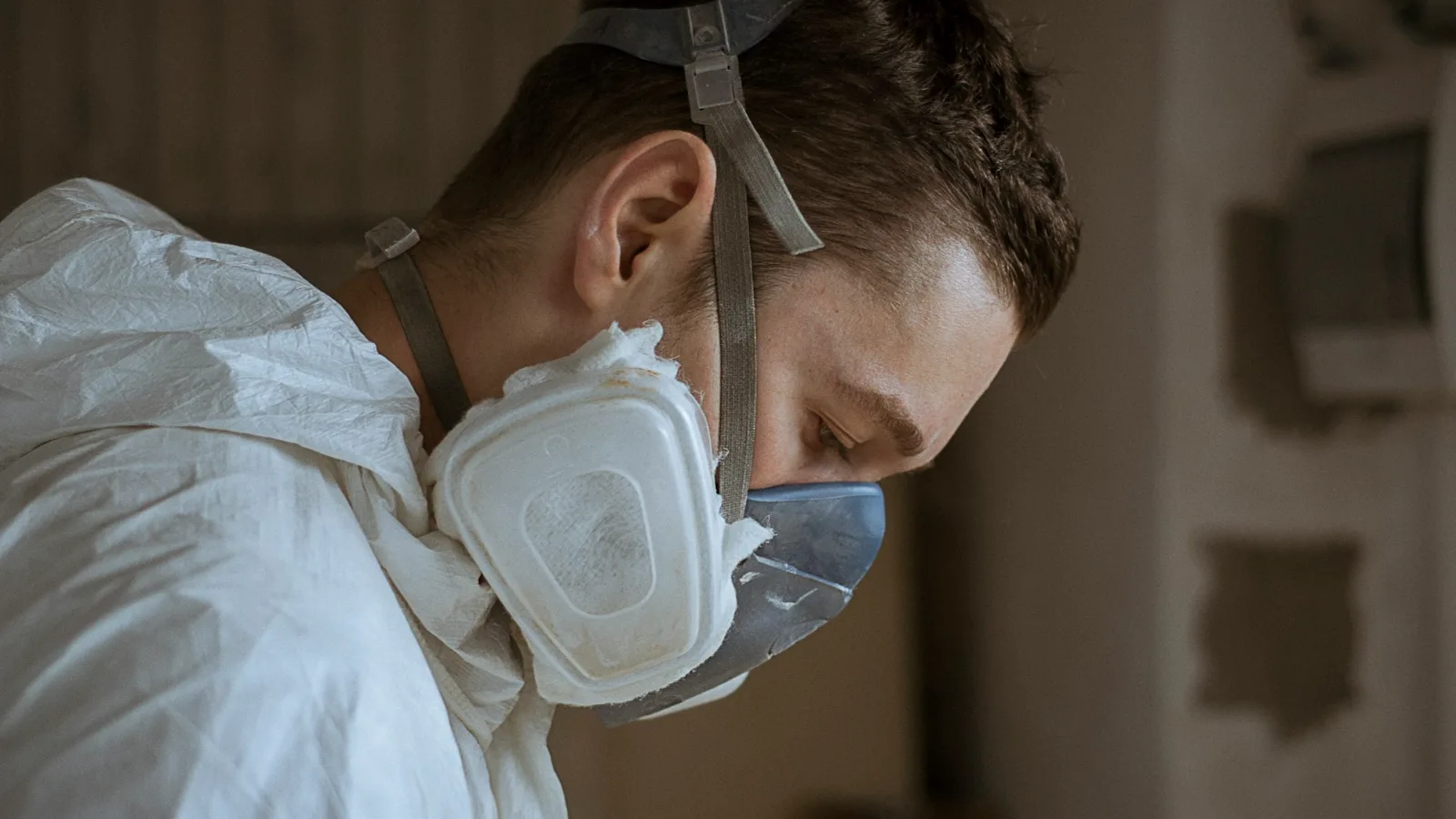
So what does that money buy? A mold remediation cost covers more than scrubbing a stain. A crew walls off the area with plastic, filters the air, removes moldy material, and cleans what stays. Magnificent Restoration’s mold remediation service follows that same order, with containment, HEPA filtration (filters fine enough to trap tiny particles), removal, and antimicrobial treatment.
Where the mold grows, and how much of it there is, drives the price. Here’s how HomeAdvisor’s 2026 numbers break down by location.
| Where the mold is | Typical cost |
|---|---|
| Bathroom | $500 to $1,000 |
| Crawl space | $500 to $2,000 |
| Basement | $500 to $3,000 |
| Attic | $1,000 to $4,000 |
| Walls | $1,000 to $20,000 |
| HVAC system | $3,000 to $10,000 |
| Whole house | $10,000 to $30,000 |
Mold Remediation Cost per Sq Ft
$10 to $25. That’s the rate mold removal pros charge per square foot, according to HomeAdvisor. Heavy growth can force you to replace drywall or subflooring on top of that, and those repairs add up fast.
Size changes more than the per-foot math. The EPA’s mold remediation guide ties the level of containment (the plastic walls that keep spores from drifting into the rest of your home) to the size of the moldy area. More containment means more setup, more material, and more labor.
| Moldy area | What EPA guidance calls for | What it means for your cost |
|---|---|---|
| Under about 10 sq ft | In most cases, you can do it yourself | About $50 to $300 in gear and cleaners |
| 10 to 100 sq ft | Limited containment, a single layer of plastic sheeting | Pro rates of $10 to $25 per sq ft |
| Over 100 sq ft | Full containment, a double layer of plastic and an airlock | The biggest bills, up to $30,000 for a whole house |
Measure the surfaces with growth, not the floor of the room. Then ask everyone who quotes you to write that square footage on the estimate, so you can compare bids line by line.
What the mold grew on matters too. The EPA says porous materials, like ceiling tiles and carpet, may have to be thrown away once they’re moldy. That tear-out and replacement then sits on top of your mold remediation cost per sq ft.
Basement Mold Removal Cost
Basements land in the middle. HomeAdvisor puts basement mold removal at $500 to $3,000.
Where you fall in that range depends on what covers your basement walls and how much of that material has to come out. Mold on bare concrete or open framing is easy to reach. Mold behind paneling or finished drywall means cutting walls open, and HomeAdvisor lists drywall repair or replacement at $1,000 to $2,900 by itself.
The water source matters more than the mold. The EPA warns that if you clean up mold but don’t fix the water problem, the mold problem will most likely come back. That’s why a basement mold remediation cost estimate should name the cause, whether it’s a foundation leak, a plumbing drip, or damp air.
Damp air counts. The EPA recommends keeping indoor humidity below 60 percent, ideally between 30 and 50 percent, and says a humidity meter to check it costs about $10 to $50 at many hardware stores. Not sure that musty smell is mold at all? Run through these signs of mold in your house first.
Attic Mold Removal Cost
Why do attics cost more? Access and insulation. HomeAdvisor lists attic mold removal at $1,000 to $4,000, a higher floor than basements or crawl spaces, which both start at $500.
Crews have to work around rafters and step from joist to joist, which slows every task. Slow work means more labor hours on your bill.
Insulation is the other cost. It’s porous, like the ceiling tiles and carpet the EPA says may have to be thrown away once moldy, so moldy insulation may have to come out and be replaced. Ask whether your quote covers new insulation or only removal.
Then fix what let the water in, such as a roof leak or a bathroom fan that vents into the attic. Skip that step, and you’ll likely pay the same attic mold remediation cost twice.
Crawl Space Mold Removal Cost
On paper, crawl spaces cost the least of the three. HomeAdvisor lists crawl space mold removal at $500 to $2,000, and less surface usually means less to treat.
Tight access pushes the other way. A crew working on its back or belly moves slower, and that time shows up as labor.
Crawl spaces get wet for the same reasons basements do. Most people rarely look down there, so mold has time to spread, and a bigger patch means a bigger mold remediation cost.
Speed is your best defense. The EPA says that if wet materials are dried within 24 to 48 hours after a leak or spill, mold won’t grow in most cases. Magnificent Restoration dispatches 24/7 with live agents, and its stated average response is 30 to 60 minutes, so drying can start well inside that window.
Is Black Mold Removal Cost Higher?
It can be, but the color isn’t the reason. Fixr’s cost guide lists black mold removal at $800 to $7,000. The CDC says all molds should be treated the same for health risks and removal, so the method stays the same. What raises the price is where it grows.
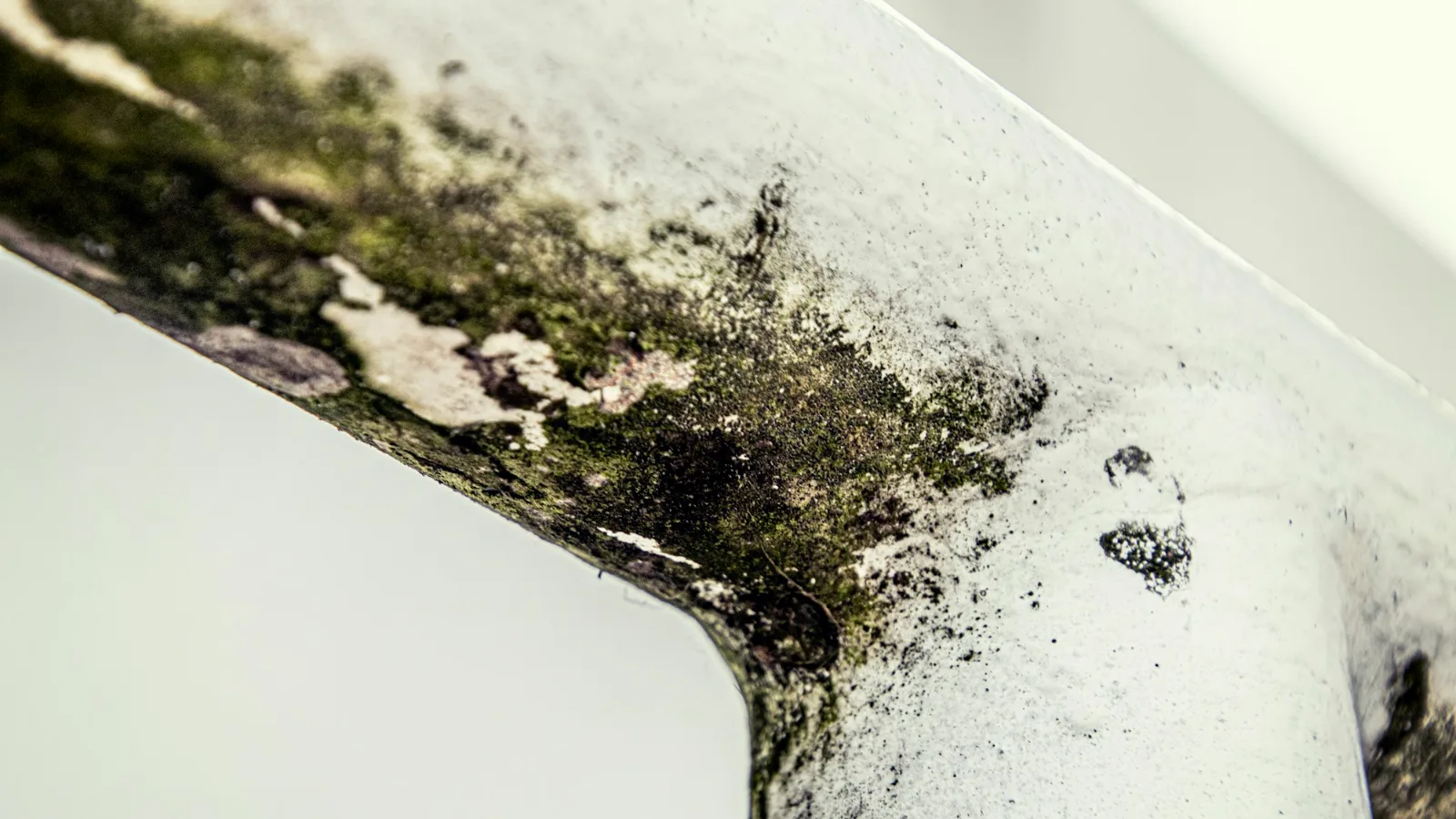
The CDC describes Stachybotrys chartarum, the mold most people mean by black mold, as a greenish-black mold. It grows on materials high in cellulose (plant fiber), like fiberboard, paper, and gypsum board, which is the drywall in your walls. It needs constant moisture to grow.
So finding it usually points to drywall that never dried out. Moldy drywall often has to come out, and that tear-out and rebuild, not the color, is what pushes a black mold remediation cost up.
You can skip the lab work, too. The CDC says it’s not necessary to find out what type of mold is growing in your home. If you have asthma or a mold allergy, the CDC notes you may have severe reactions, which is a good reason to leave removal to a trained crew.
When a DIY Cleanup Makes Sense
Not every mold problem needs a pro. The EPA’s home mold guide says you can handle the job yourself in most cases if the moldy area is under about 10 square feet, roughly a 3 by 3 foot patch. HomeAdvisor puts the gear and cleaners for a job that size at $50 to $300.
The EPA’s advice points past DIY when you:
- Find growth over about 10 square feet, or a lot of water damage
- Trace the damage to sewage or other dirty water
- Suspect mold in your heating and cooling system, which the EPA says not to run
Two more safety notes. Never mix chlorine bleach with cleaners that contain ammonia, since the EPA warns the mix can produce toxic fumes. Health concerns? The EPA says to see a health professional before you start.
A small DIY job can replace a full mold remediation cost with a few supplies. That trade only works once the moisture is fixed.
Repair, Testing, and Insurance Costs to Plan For
Removal is only part of the bill. HomeAdvisor lists these as frequent repairs after mold damage, with typical costs:
- Repair or replace drywall for $1,000 to $2,900
- Repair or replace carpet for $775 to $2,600
- Repair flooring for $200 to $550
Testing is the line you can often skip. HomeAdvisor lists basic mold testing at $250 to $350 and lab testing at $450 to $800. The CDC does not recommend mold testing, and it says that no matter what type of mold is present, you need to remove it. Before you pay for a test, see what a mold inspection costs and when one earns its fee.
Insurance may cover part of the job. The Insurance Information Institute says mold is a home maintenance issue that standard homeowners policies usually don’t cover. When a covered peril, like a burst pipe, causes the growth, the cost of removing the mold may be covered. Coverage depends on your policy, so check it and talk to your agent.
Here’s a closer look at whether homeowners insurance covers mold removal. Magnificent Restoration provides insurance-friendly documentation and offers direct insurance billing. Ask for an itemized mold remediation cost estimate, with removal and repairs on separate lines, so your agent can see what’s being claimed.
FAQs About Mold Remediation Cost
How much does it cost to remove mold from a bathroom?
Bathroom mold removal runs $500 to $1,000, according to HomeAdvisor’s 2026 cost data. That’s the lowest range on its list. Surface mold on tile and grout is easy to reach. The price climbs when mold grows behind a tub, vanity, or wall, since those spots need cutting open and rebuilding.
How much does mold removal inside walls cost?
HomeAdvisor lists mold removal in walls at $1,000 to $20,000, the widest range on its list. Where you land depends on how much wall has to be opened and rebuilt. Drywall repair or replacement alone runs $1,000 to $2,900, per the same data, so a quote that includes rebuilding will sit well above one for removal only.
How much does it cost to remove mold from an HVAC system?
HomeAdvisor lists mold remediation in an HVAC or AC system at $3,000 to $10,000. The EPA says not to run an HVAC system you know or suspect has mold, since it could spread mold throughout the building. Turn it off and have it checked before you use it again.
Why do mold remediation cost quotes vary so much?
Mold remediation cost quotes vary with the size of the moldy area, where it is, and what it grew on. One company may price surface cleaning only. Another may include containment, tearing out drywall, and putting the walls back. Ask each one to list the square footage, the containment plan, and what gets removed, then compare line by line.
Will mold come back after remediation?
It can, if the moisture stays. The EPA says mold spores won’t grow without moisture, so a lasting fix pairs removal with a repair of the leak, drainage, or damp air behind it. Keep indoor humidity below 60 percent, ideally 30 to 50 percent, as the EPA recommends.
Get a Clear Number for Your Home
Online ranges get you close. A real number comes from someone who measures your mold, sees what it grew on, and finds the water behind it. Take the ranges above into that visit, and you’ll know which line items to question.
Magnificent Restoration offers a free, no-obligation estimate from licensed, insured, IICRC-certified teams (IICRC is the Institute of Inspection, Cleaning and Restoration Certification). Dispatch runs 24/7 with live agents, and the stated average response is 30 to 60 minutes. Get my free estimate or call 1-267-736-5729 to find out your mold remediation cost.